North Shore Play Therapy
  • What is Play Therapy
  • Who we help
  • How we help
  • Role of the Play Therapist
  • what to expect
  • Parent Support
  • Professional Supervision
  • Our therapists
  • Who we are
  • Blog
  • FAQ
  • Contact

What is play-based therapy?

Play-based therapy offers a holistic approach to addressing emotional and behavioural issues in children. Play therapy integrates therapeutic techniques with the natural language of play to promote healing, growth and resilience.

What is play therapy?                             What can we treat.

Play-based therapy is a highly effective therapeutic approach for addressing emotional and behavioural issues in children by utilizing play to help children, express their feelings, thoughts, experiences, and behaviours.
​
It is based on the belief that play is a natural medium for communication, particularly for children who may not have developed the verbal skills to express themselves effectively.
​
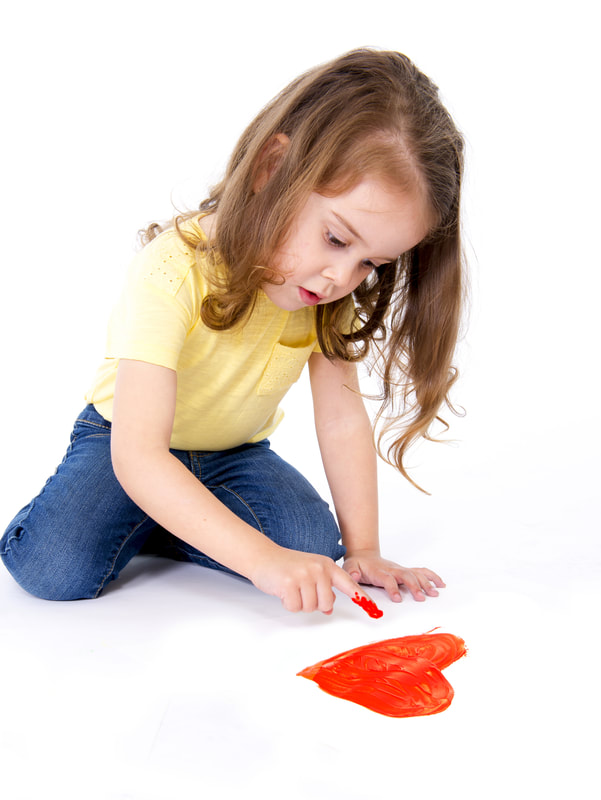
In play therapy sessions, a trained therapist creates a safe and supportive environment where the child can freely engage in various types of play activities. These activities may include drawing, painting, storytelling, puppetry, role-playing, sand tray play, and more, depending on the child's preferences and needs.
The therapist observes the child's play and interacts with them in a non-directive manner. In non-directive play therapy, the child leads the play.

The goals of play therapy can vary depending on the individual child and their presenting issues. Some common objectives of play therapy include:

1. Emotional expression: Helping the child express and process difficult emotions such as anger, sadness, fear, or confusion.
 2. ​Problem-solving: Encouraging the child to explore and develop new ways of coping with challenges or conflicts.
3. Behavioural change: Addressing behavioural issues or patterns by teaching alternative behaviours and improving self-control.
4. Social skills development: Fostering positive social interactions, communication skills, empathy, and cooperation.
 5. Trauma resolution: Assisting children in processing traumatic experiences and reducing symptoms of post-traumatic stress.


Play therapy is used to treat a wide range of issues, including but not limited to anxiety, depression, trauma, grief and loss, behavioural disorders, developmental delays, autism spectrum disorders, and family conflicts.

It's important to note that play therapy is conducted by a qualified and registered Occupational Therapist who has specialized training in this modality.

​The therapist  works collaboratively with the child and, often, with the child's family to facilitate healing and growth in a supportive therapeutic relationship
Picture
The Play Therapy Relationship is focussed on feelings rather than thoughts and acts.
Dr Garry L Landreth 
Professor of Play Therapist at the University of North Texas
Powered by Create your own unique website with customizable templates.
  • What is Play Therapy
  • Who we help
  • How we help
  • Role of the Play Therapist
  • what to expect
  • Parent Support
  • Professional Supervision
  • Our therapists
  • Who we are
  • Blog
  • FAQ
  • Contact